
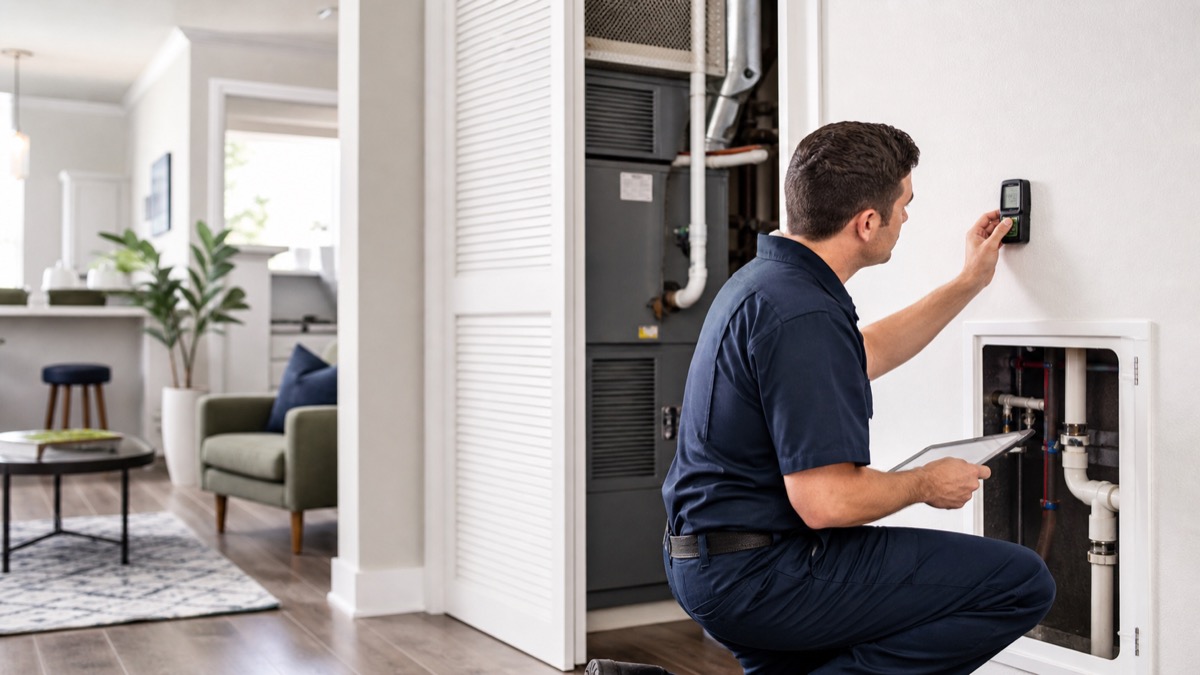
Apartment maintenance teams are often the first people to see the conditions that lead to mold complaints. A resident may report a musty smell, a bathroom exhaust fan that stopped working, a slow drain under a vanity, or a water stain after a heavy rain. How the maintenance team handles that initial service call often decides whether the issue becomes a simple fix or an expensive remediation dispute.
Because mold problems are usually moisture problems, training maintenance staff on mold prevention is one of the most cost-effective steps a property management company can take. When technicians understand mold biology, building moisture pathways, and proper response limits, they fix the root cause faster, communicate better, and know when to stop and escalate.
Why Apartment Communities Are Vulnerable to Mold
Multifamily properties face unique moisture challenges. Units share walls, plumbing stacks, and roof systems. High resident turnover means that leaks, condensation, and tenant lifestyle factors (like drying clothes indoors or running showers without ventilation) can go unnoticed between inspections.
Common moisture drivers in apartment communities include:
- HVAC Condensate Drain Lines: Clogged drain pans and condensate lines are among the top causes of hidden wall and ceiling leaks in apartments.
- Bathroom Ventilation Deficiencies: Undersized, clogged, or non-functional exhaust fans allow shower steam to condense on drywall, baseboards, and ceilings.
- Plumbing Penetrations: Slow drips around p-traps, angle stops, and supply lines beneath kitchen sinks and bathroom vanities often go unaddressed until wood rots.
- Window and Sliding Door Condensation: Poor insulation or failed thermal seals create cold surfaces where indoor humidity condenses, especially during winter.
- Building Envelope Failures: Siding cracks, damaged gutters, flat roof ponding, and failing caulking allow bulk water intrusion into wall cavities.
Key Habits of Mold-Aware Maintenance Teams
A trained maintenance technician approaches every work order with moisture awareness. Key preventive habits include:
1. Looking Beyond the Surface Stain
Wiping down a mildewed wall or painting over a water stain with stain-blocking primer without locating the leak guarantees the mold will return. Technicians should always trace the moisture pathway before closing out a ticket.
2. Checking Moisture Levels
Using a pinless or pin-type moisture meter allows staff to verify whether drywall, trim, or subflooring is still wet, even if the surface feels dry to the touch. Knowing when materials have dried to normal equilibrium moisture levels prevents premature sealing.
3. Verifying Exhaust Ventilation
A simple tissue test (holding a piece of tissue paper up to an running exhaust grille) quickly verifies if bathroom and laundry ventilation fans are pulling air effectively.
4. Fast Response to Water Intrusion
According to EPA guidelines, mold can begin germinating on damp organic materials within 24 to 48 hours under favorable temperatures. Rapid water extraction, dehumidification, and structural drying within the first 48 hours is the single most important mold prevention tactic.
Knowing the Limits: When to Escalate
Maintenance staff are not full-scale mold remediation contractors. An important part of prevention training is teaching staff their limits:
- Small vs. Large Areas: EPA guidelines generally state that areas of mold growth smaller than roughly 10 square feet (about a 3-foot by 3-foot patch) can often be cleaned by building maintenance staff using appropriate personal protective equipment (PPE). Larger areas or contaminated HVAC systems require specialized containment and qualified remediation professionals.
- Category 3 Water: Water from sewage backups or outdoor flooding contains heavy biological contaminants and requires professional remediation, not routine in-house cleaning.
- Hidden or Recurring Growth: If mold keeps reappearing after cleaning and drying, hidden cavities, duct contamination, or persistent structural leaks require professional evaluation.
Aligning With Federal Standards and Guidelines
Neither the EPA nor OSHA issues mold certifications directly, but both agencies publish clear standards and best practices for building managers and workers:
- EPA Mold Remediation Guidance: Emphasizes moisture investigation, rapid 24–48 hour drying, and containment protocols.
- OSHA General Industry Safety Principles: Covers PPE (respirators, gloves, eye protection), hazard communication, and protecting workers from exposure to biological agents during maintenance work.
- IAC2 Standards of Practice: Provides standardized inspection checklists, moisture testing methods, and defensible reporting guidelines.
Conclusion & Training Your Team
Equipping maintenance teams with structured mold awareness training protects property assets, reduces liability, and creates healthier living environments for residents.
moldtraining.us offers self-paced, online courses designed specifically for property teams:
- Mold Prevention & Remediation Awareness (2 Hours): An introductory course for general front-line and maintenance staff.
- Mold Awareness, Prevention & Remediation Training for Property Management Teams (4 Hours): The complete operational course for property managers, maintenance supervisors, and leasing agents.